

What Is Advanced Neuroimaging?
Advanced neuroimaging uses high-resolution MRI and AI-powered analysis to go beyond traditional imaging. It allows radiologists to:
- Measure brain structures and volume with precision
- Identify patterns of change associated with aging and disease
- Detect and track white matter changes and other early indicators
This deeper level of insight supports earlier detection and more informed clinical decisions.
How AI Enhances Brain Imaging
Your MRI offers valuable information about your brain, and now Brain Health, a leading AI-powered, FDA-cleared technology, can provide your physician with even deeper insights by measuring changes in the brain that may be linked to headaches and diseases such as multiple sclerosis, using automated detection to provide a more complete picture of your brain health.
- Detect subtle brain changes earlier
- Better understand changes associated with healthy aging
- Monitor your brain health over time
- Supports personalized care based on objective insights into your brain health
- Provides insights that can help guide your treatment and follow-up care
These tools help your care team better understand what’s normal, what’s changing, and what may need closer attention.
When Should You Consider Brain Imaging?
You may benefit from advanced neuroimaging if you:
- Experience memory loss or cognitive changes
- Have a family history of neurological conditions such as Alzheimer’s disease
- Want a baseline assessment of your brain health
- Have been referred by your physician for further evaluation
What Can Brain Imaging Help Detect?
Advanced neuroimaging can provide insights into:
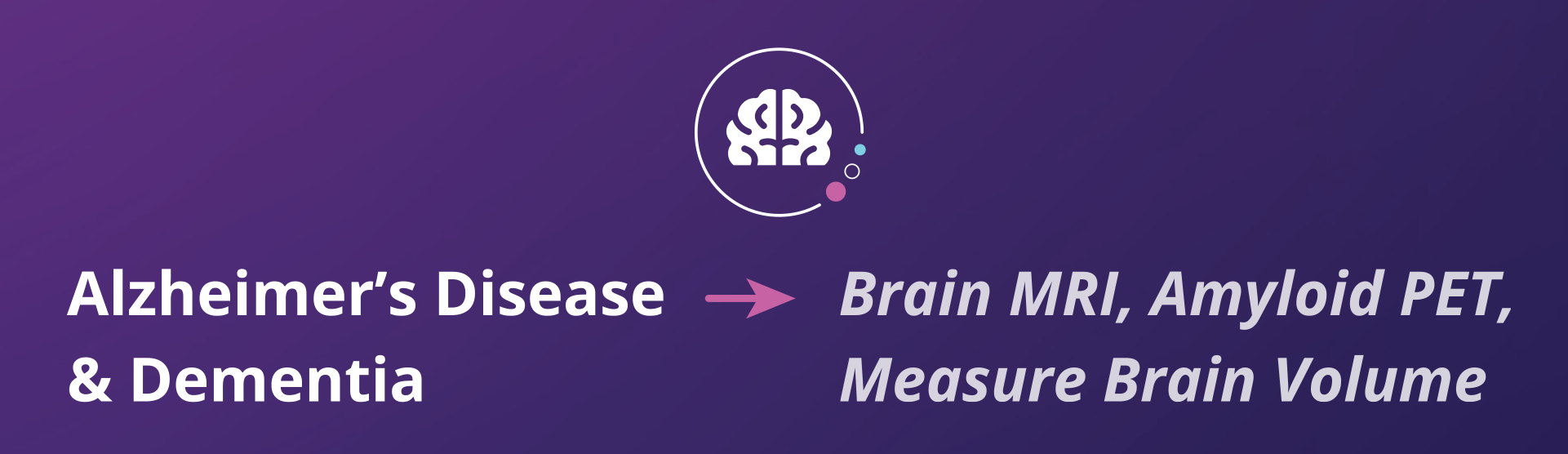
- Memory-related conditions, including Alzheimer’s disease
- Brain atrophy and age-related changes
- White matter changes linked to vascular health
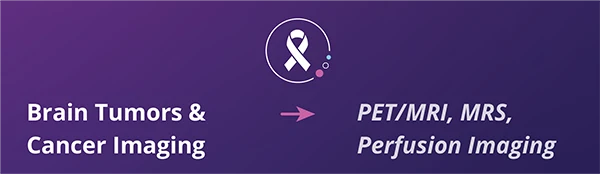
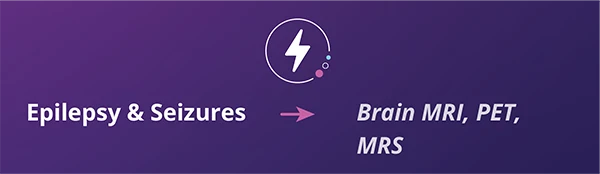
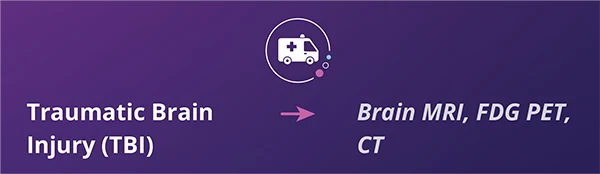
- Other neurological conditions affecting brain structure and function
These tools help your care team better understand what’s normal, what’s changing, and what may need closer attention.
Common Conditions & Matching Exams
Conditions We Help Diagnose
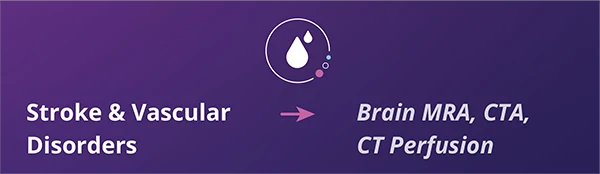
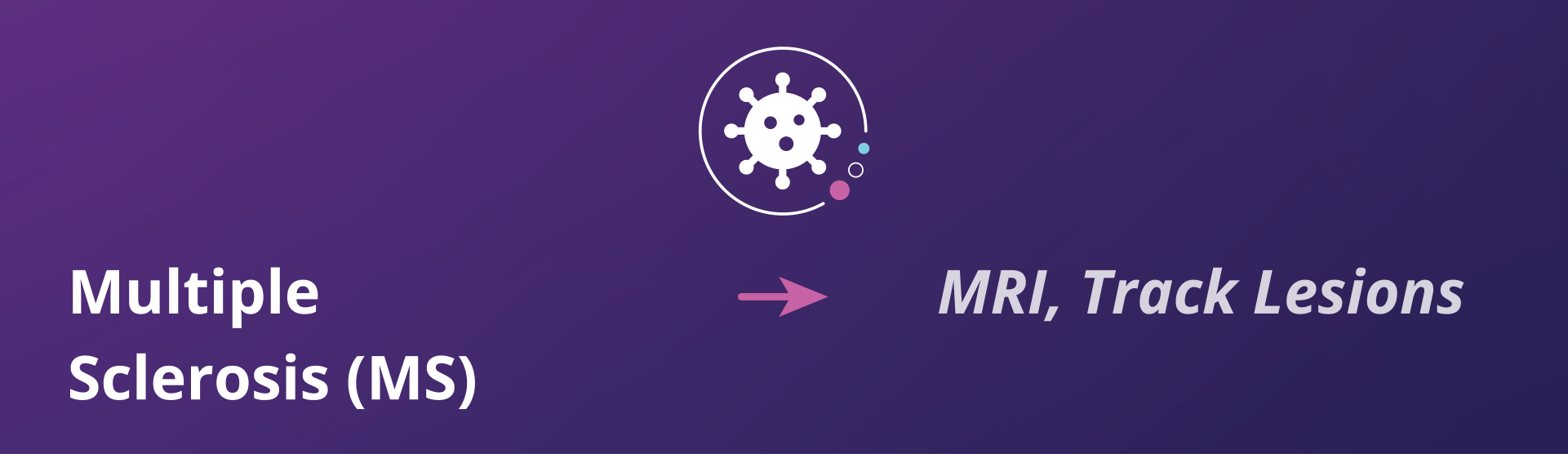
At RadNet, our advanced imaging helps diagnose and monitor a wide range of neurological conditions, including:
What to Expect
A brain MRI is a safe, non-invasive exam that does not use radiation. Most scans are completed in under an hour. After your exam, your images are carefully reviewed by specialized neuroradiologists, with results shared with your provider to guide next steps.
A More Complete View of Brain Health
With advanced neuroimaging and AI-powered analysis, you gain more than images — you gain insight. Whether you’re seeking answers for new symptoms or looking to better understand your long-term brain health, we’re here to provide clarity, precision, and guidance every step of the way.